

Cultural Heritage Art: Preserving Global Traditions
Cultural heritage art represents the tangible and intangible expressions of communities that carry identity, memory, and shared history. In a globalized world, these artistic traditions face unprecedented pressures from modernization, urbanization, and mass media. Preserving cultural heritage art is not only about protecting objects but also safeguarding knowledge, rituals, and creative practices that define societies. Understanding the significance of cultural heritage art helps communities, policymakers, and individuals recognize the importance of preservation, the challenges faced, and the strategies necessary to maintain these legacies for future generations.
Defining Cultural Heritage Art in Historical and Contemporary Contexts
Cultural heritage art includes both tangible and intangible forms. Tangible heritage encompasses monuments, historic buildings, sculptures, crafts, and material culture, while intangible heritage involves storytelling, music, dance, rituals, and knowledge transmission. These forms reflect community values, social structures, and historical narratives. Heritage art is dynamic; it evolves over time, adapting to new influences while maintaining its core identity. Recognizing this duality allows preservation efforts to honor tradition without freezing living practices into static museum pieces.
Tangible Expressions: Monuments, Crafts, and Material Traditions
Architecture and Historic Structures
Sacred buildings, palaces, and community landmarks often symbolize cultural identity. Architectural styles convey aesthetics, religious beliefs, and social hierarchies. Preserving these structures requires expertise, funding, and careful planning. Threats like environmental damage, urban development, and neglect make it essential for governments and communities to collaborate on restoration and maintenance.
Traditional Crafts and Material Culture
Textiles, ceramics, woodwork, and metal arts represent centuries of skill and creativity. Techniques passed down through generations carry cultural stories and values. Economic pressures, globalization, and reduced apprenticeship opportunities challenge artisan communities, making support systems, fair trade, and education essential for sustaining these practices.
Intangible Traditions Embedded in Artistic Practice
Oral storytelling, ceremonial performances, music, and dance transmit collective memory and identity. Unlike tangible art, these forms rely on intergenerational knowledge transfer, making them vulnerable to cultural disruption. Preserving intangible heritage requires active participation, mentorship, and educational programs to ensure traditions remain meaningful for future generations.
Global Case Studies of Cultural Heritage Art
Asian Heritage Art Forms
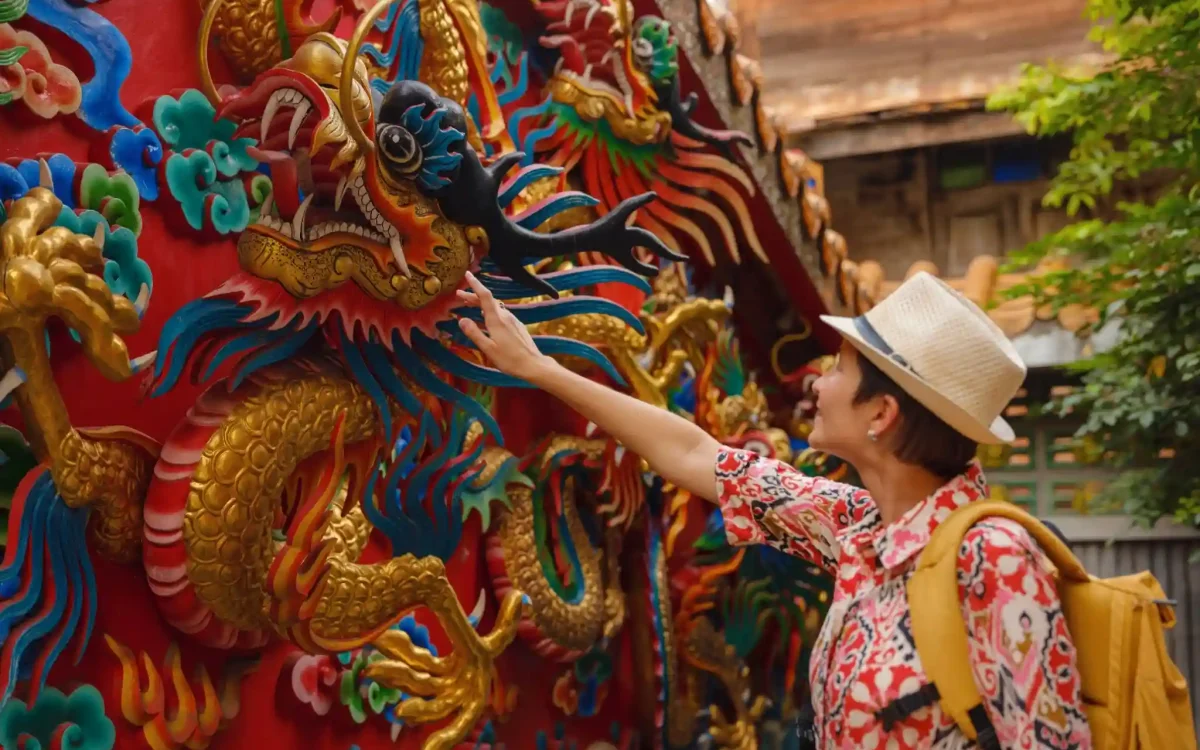
Calligraphy, temple art, and traditional painting schools highlight centuries-old aesthetics. Preservation efforts must balance tourism with authenticity. Governments and communities play a key role in maintaining these practices while fostering public appreciation.
African and Indigenous Artistic Traditions
Mask-making, beadwork, and ritual sculpture demonstrate how community-led models sustain traditions. Respecting sacred contexts and ceremonial rules ensures that these practices retain their cultural significance while being shared with broader audiences responsibly.
European Folk and Classical Traditions
Folk art movements and regional craftsmanship reflect local identities. Restoration of historic artworks and buildings preserves cultural narratives, while public funding and heritage policies provide institutional support. Engaging local communities ensures these traditions continue to thrive.
The Role of Museums, Archives, and Cultural Institutions
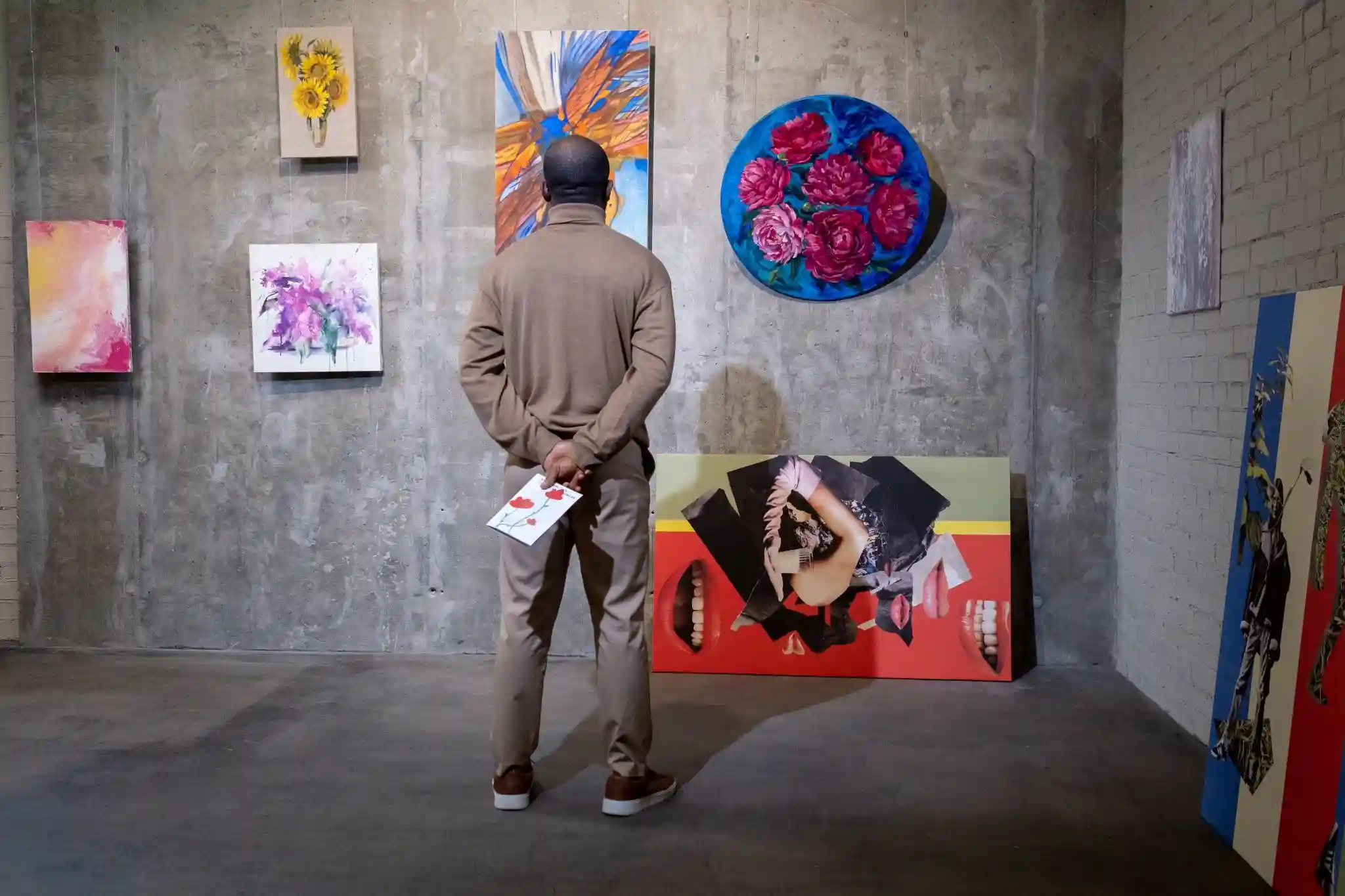
Museums, archives, and libraries document, conserve, and display cultural heritage artifacts. Ethical debates surrounding repatriation and ownership highlight the importance of community collaboration. Digitization offers new avenues for access, making fragile works widely available while reducing the risk of damage. Institutions thus act as both protectors and educators.
Modern Threats to Cultural Heritage Art
Urbanization, environmental degradation, armed conflict, and illicit art trafficking endanger both tangible and intangible heritage. Commercialization and cultural appropriation can dilute traditional meaning, while the decline of apprenticeship systems undermines the transmission of skills and knowledge. Preservation strategies must address these multifaceted challenges to protect global artistic legacies.
Technology as a Preservation Tool
Digital Archiving and 3D Documentation
Scanning, 3D modeling, and virtual replication allow detailed study of fragile works without handling them physically. These tools also expand global access to rare collections, supporting research, education, and public engagement.
Social Media and Cultural Awareness
Digital platforms enable artists and communities to share traditions with wider audiences, promoting global appreciation. However, oversimplification or misrepresentation risks distorting the original meaning of cultural practices, making thoughtful digital communication critical.
Community-Led Preservation Efforts
Grassroots initiatives protect local traditions through workshops, mentorship, and active engagement. Elders and master artisans play a central role, while youth participation ensures continuity. Community leadership allows traditions to remain living practices rather than static relics.
Policy, Law, and International Cooperation
UNESCO heritage designations recognize exceptional cultural assets, while intellectual property rights protect traditional knowledge. Cross-border partnerships combat art trafficking and promote global awareness. National heritage laws, combined with funding and incentives, empower communities and institutions to preserve cultural assets responsibly.
Economic Sustainability and Cultural Tourism
Responsible cultural tourism supports artisans while preserving authenticity. Fair trade practices, sustainable markets, and ethical commercialization generate income without compromising cultural integrity. Balancing economic opportunity with heritage preservation ensures longevity for both art forms and communities.
Education and Cultural Heritage Art
Integrating heritage studies into school curricula, offering workshops, and university research promote skill development and awareness. Public campaigns and exhibitions increase engagement, while apprenticeships and mentorship programs foster intergenerational knowledge transfer. Educating new generations is vital to sustaining heritage practices.
Ethical Considerations in Preservation
Determining what to preserve, obtaining community consent, and avoiding the fossilization of living traditions are essential. Ethical stewardship ensures cultural significance is maintained, preventing exploitation and fostering respect for the communities that created these works. Restoration practices should honor original intent while adapting to contemporary contexts.
The Future of Cultural Heritage Art
Traditions can evolve while maintaining cultural integrity. Hybrid art forms, youth-led innovation, and global collaborations enable heritage art to remain relevant and dynamic. Preserving cultural heritage requires both honoring history and embracing change to keep practices meaningful.
Conclusion
Cultural heritage art safeguards collective memory, identity, and creativity. Governments, institutions, and individuals share responsibility for its preservation. Active engagement, education, and ethical stewardship ensure that global traditions remain vibrant, accessible, and respected for generations to come.
FAQs
1. What defines cultural heritage art and why is it crucial?
Cultural heritage art includes tangible artifacts and intangible practices that preserve identity, history, and social values, ensuring cultural continuity across generations.
2. How can intangible traditions like music or storytelling be preserved?
Through mentorship, workshops, community engagement, and intergenerational transmission, intangible heritage can remain meaningful and continue to evolve responsibly.
3. What role do museums play in protecting cultural heritage art?
Museums document, conserve, and display artifacts, collaborate with communities, and digitize collections to safeguard fragile or endangered works globally.
4. How does technology enhance preservation efforts?
Tools like 3D scanning, digital archiving, and online platforms allow safe study, wider access, and global awareness without risking physical damage to original works.
5. Why is ethical stewardship important in preservation?
Ethical stewardship ensures community consent, prevents cultural exploitation, preserves meaning, and balances tradition with adaptation for sustainable, respectful practices.
Related posts