

Understanding Cultural Heritage vs. Contemporary Art
Cultural heritage and contemporary art often occupy overlapping yet distinct spaces in the art world. Understanding the differences helps artists, collectors, students, and audiences appreciate their purposes, context, and impact. Heritage art reflects centuries of community values, ritual, and historical continuity, while contemporary practices emphasize experimentation, concept, and personal expression. Recognizing these differences fosters critical thinking and informed engagement. In a world of rapid globalization, historical context meets modern practice constantly, influencing exhibitions, academic study, and artistic production. This article explores the contrasts, intersections, and strategies for engaging with both, offering insight into preservation, interpretation, and innovation.
Defining Cultural Heritage Art
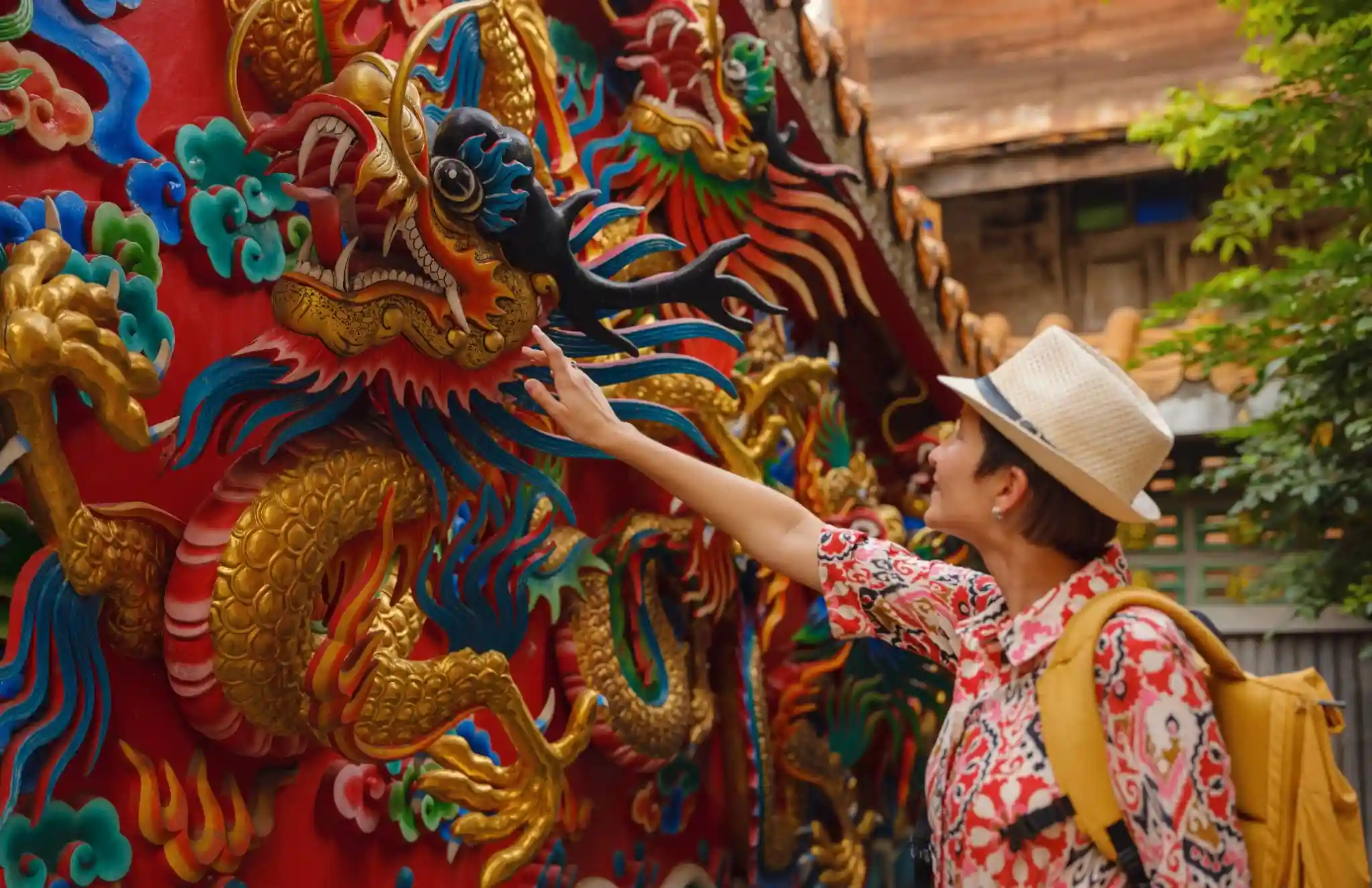
Cultural heritage art encompasses creations that embody a community’s history, traditions, and identity. Tangible forms include monuments, sculptures, textiles, and traditional crafts, while intangible forms cover oral storytelling, performance, music, and ritual practices. These works are rooted in intergenerational knowledge and community practices. Heritage art conveys cultural memory, collective identity, and historical continuity, reflecting the values, social structures, and spiritual beliefs of its creators. Preservation is not static; traditional forms evolve while maintaining core elements, balancing authenticity with practical adaptation. For students and practitioners, understanding these dimensions ensures respect for context while fostering appreciation of craftsmanship and symbolism.
Characteristics of Contemporary Art
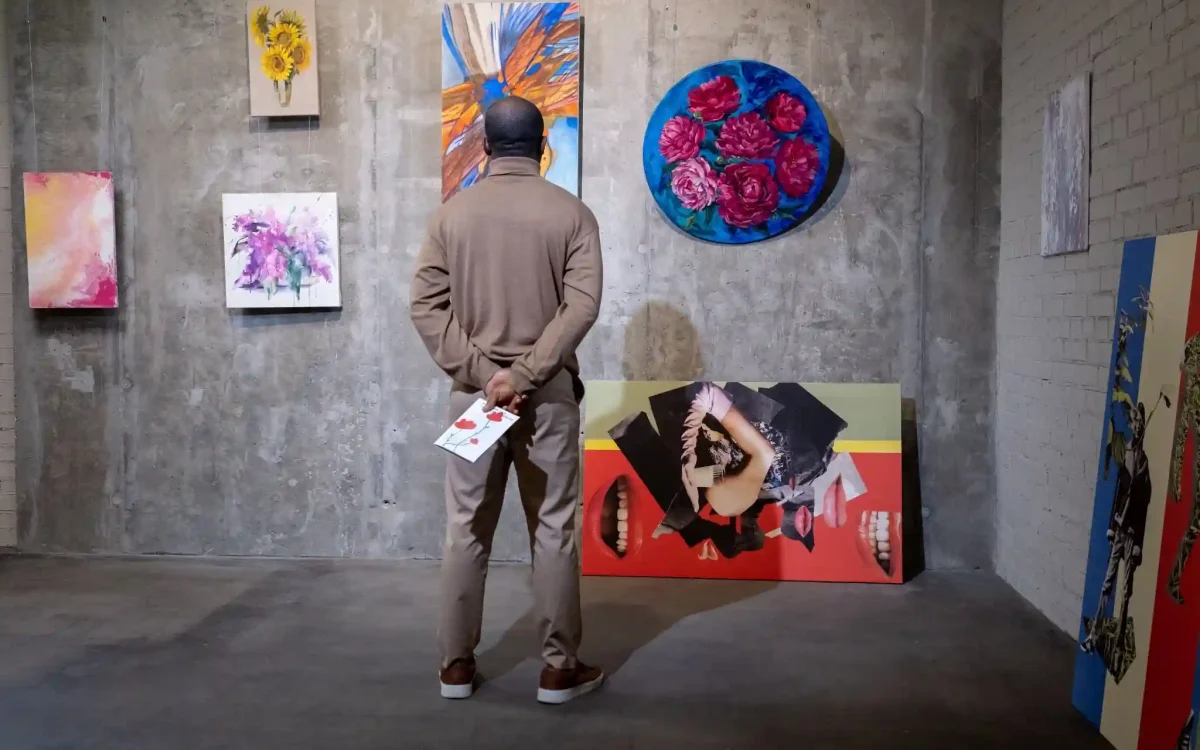
Contemporary art emerged during the 20th century and continues to evolve. Its defining qualities include experimentation with medium, concept, and technique. Unlike heritage art, contemporary practices often challenge conventions, address social or political themes, and reflect individual artistic vision. Globalization, digital technology, and media influence creative production and dissemination, creating hybrid forms that integrate sound, video, performance, and interactive elements. Contemporary art is dynamic, fluid, and often decentralized, prioritizing innovation and engagement with current discourse. It pushes boundaries while questioning tradition, offering new narratives that reflect society’s complexity.
Comparing Heritage and Contemporary Art
Intent and Purpose
Heritage art prioritizes the preservation of identity, tradition, and community memory. Every motif or technique often carries historical significance. Contemporary art, by contrast, aims to provoke thought, critique norms, or explore personal and societal narratives. Its intent can be experimental, abstract, or conceptual, seeking to redefine perception and interaction with art.
Materials and Techniques
Traditional materials—stone, wood, textile, metal, natural pigments—anchor heritage works in specific cultural and historical contexts. Contemporary artists employ interdisciplinary methods, incorporating technology, found objects, digital media, and unconventional materials. The choice of medium reflects not only practical considerations but also conceptual priorities, signaling dialogue with tradition, society, or abstraction.
Audience and Engagement
Heritage art engages primarily with community or culturally specific audiences, emphasizing shared understanding and ritual participation. Contemporary art often targets a broader or global audience, displayed in galleries, biennales, or online platforms. Viewer interpretation is more open-ended, encouraging critical reflection, debate, or immersion, contrasting with the symbolic and structured engagement typical of heritage practices.
The Interplay Between Heritage and Contemporary Practices
Many contemporary artists draw inspiration from heritage, reinterpreting traditional motifs, techniques, and narratives. Collaborations between traditional artisans and contemporary practitioners create hybrid works that honor history while advancing innovation. Museums and cultural institutions increasingly explore projects blending old and new approaches. This interplay fosters dialogue, balancing preservation with creative evolution. Tensions arise when adaptation risks diluting meaning or when innovation overshadows traditional practices, but careful curation and cultural awareness can ensure both heritage and contemporary expression thrive.
Case Studies of Heritage vs. Contemporary Art
Asian Art Traditions and Modern Adaptations
Asian heritage art includes calligraphy, temple painting, and decorative crafts, all deeply connected to spiritual and philosophical traditions. Contemporary reinterpretations may integrate installation art, digital media, or abstract adaptations while maintaining symbolic references. Balancing tourism, accessibility, and authenticity remains crucial in preserving context.
African Art: Traditional Practices and Global Contemporary Trends
Mask-making, beadwork, and ritual sculpture illustrate Africa’s heritage practices. Contemporary African artists often blend these traditional forms with modern media, addressing post-colonial identity and social issues. Community-led preservation models ensure sacred contexts are respected while enabling global appreciation.
European Classical and Modern Art Dialogues
European heritage spans folk art, classical sculpture, and architectural traditions. Contemporary European artists frequently incorporate traditional motifs into conceptual work, while restoration projects maintain the physical integrity of historic artworks. Public funding, museum policies, and heritage laws shape how both domains coexist.
Challenges in Balancing Preservation and Innovation
Preserving cultural heritage while encouraging contemporary innovation presents challenges. Cultural appropriation can misrepresent or exploit traditional forms. Economic pressures often push artisans toward commercialization, risking authenticity. Artists and institutions must navigate maintaining traditional integrity while allowing creative experimentation, ensuring that adaptation does not erode meaning or context.
Role of Institutions in Supporting Both Spheres
Museums, galleries, and archives document, conserve, and exhibit heritage and contemporary works. Exhibitions and biennales introduce audiences to evolving practices. Digitization enables global access, while educational programs integrate historical knowledge with contemporary creativity. Institutions act as mediators, balancing public engagement with ethical preservation.
Technology and Its Impact on Heritage and Contemporary Art
Digital tools allow for the preservation of fragile heritage works through 3D scanning, virtual modeling, and online catalogs. Contemporary artists employ VR, AR, and multimedia platforms for immersive experiences. Technology expands access, but it requires careful handling to respect cultural sensitivities and avoid oversimplification or misrepresentation.
Ethical Considerations in Heritage vs. Contemporary Art
Ethics play a key role in preservation and adaptation. Community consent is essential, particularly for sacred or ritualistic works. Intellectual property and copyright considerations arise when traditional motifs inspire contemporary creations. Artists and institutions must maintain transparency and accountability, ensuring that cross-cultural practices respect origins and meaning.
The Future of Heritage and Contemporary Art Dialogues
Hybrid practices combining traditional and contemporary techniques are becoming increasingly common. Youth-led innovation introduces fresh perspectives within traditional frameworks, ensuring cultural continuity. Global collaborations support both preservation and creative experimentation. Looking ahead, the dialogue between heritage and contemporary art promises to foster vibrant, dynamic, and culturally sensitive artistic ecosystems.
Conclusion
Understanding heritage vs contemporary art enriches visual literacy, critical thinking, and cultural awareness. Thoughtful engagement with both forms encourages preservation, innovation, and sustainable art practices. By balancing tradition with experimentation, artists, students, and institutions can maintain vibrant cultural narratives while fostering creativity. Active participation in preservation and adaptation ensures that global artistic traditions remain respected, evolving, and relevant for future generations.
FAQs
What is the main difference between cultural heritage art and contemporary art?
Cultural heritage art preserves traditional practices and community identity, while contemporary art emphasizes experimentation, concept, and modern expression influenced by society and technology.
Can contemporary art incorporate elements of cultural heritage?
Yes, contemporary artists often reinterpret heritage motifs, techniques, or narratives, creating hybrid works that honor tradition while exploring innovation and modern artistic perspectives.
How do institutions support both heritage and contemporary art?
Museums, galleries, and archives preserve heritage works, curate contemporary exhibitions, digitize collections, and offer educational programs bridging historical knowledge and modern artistic practice.
Why is ethical consideration important in heritage vs contemporary art?
Ethics ensure community consent, protect sacred knowledge, prevent cultural appropriation, and maintain transparency when adapting traditional forms for contemporary artistic creation.
What challenges exist in balancing preservation with innovation?
Balancing authenticity, avoiding commercialization, safeguarding traditional meaning, and encouraging creative evolution without diluting heritage practices are key challenges for artists and institutions alike.
Related posts