

Guide to Fine Art Techniques: Classical to Modern
Understanding fine art techniques is essential for any artist or enthusiast. Techniques shape style, impact, and how a piece communicates visually and emotionally. Mastery of these methods allows artists to express ideas with precision and creativity. Classical methods provide foundational skills, while modern approaches expand possibilities through experimentation and technology. Exploring both offers a broad toolkit that empowers expression and technical refinement. This guide covers historical and contemporary methods, providing insight into drawing, painting, sculpture, printmaking, digital art, color theory, composition, texture, and more. Readers will gain practical guidance, inspiration, and strategies to improve artistic practice while understanding the evolution of fine art techniques.
Classical Fine Art Techniques and Their Foundations
Drawing and Draftsmanship
Drawing is the foundation of most visual art. It develops understanding of line, form, and perspective. Classical drawing emphasizes proportion, anatomy, and spatial awareness. Pencil, charcoal, and ink are common media, each offering unique textures and tonal qualities. Learning to control line weight, shading, and depth creates realistic and expressive work. Draftsmanship trains the eye to observe details accurately, fostering precision that carries into other mediums. Exercises such as gesture drawing and contour studies strengthen observational skills, improving overall artistic competency.
Painting Methods
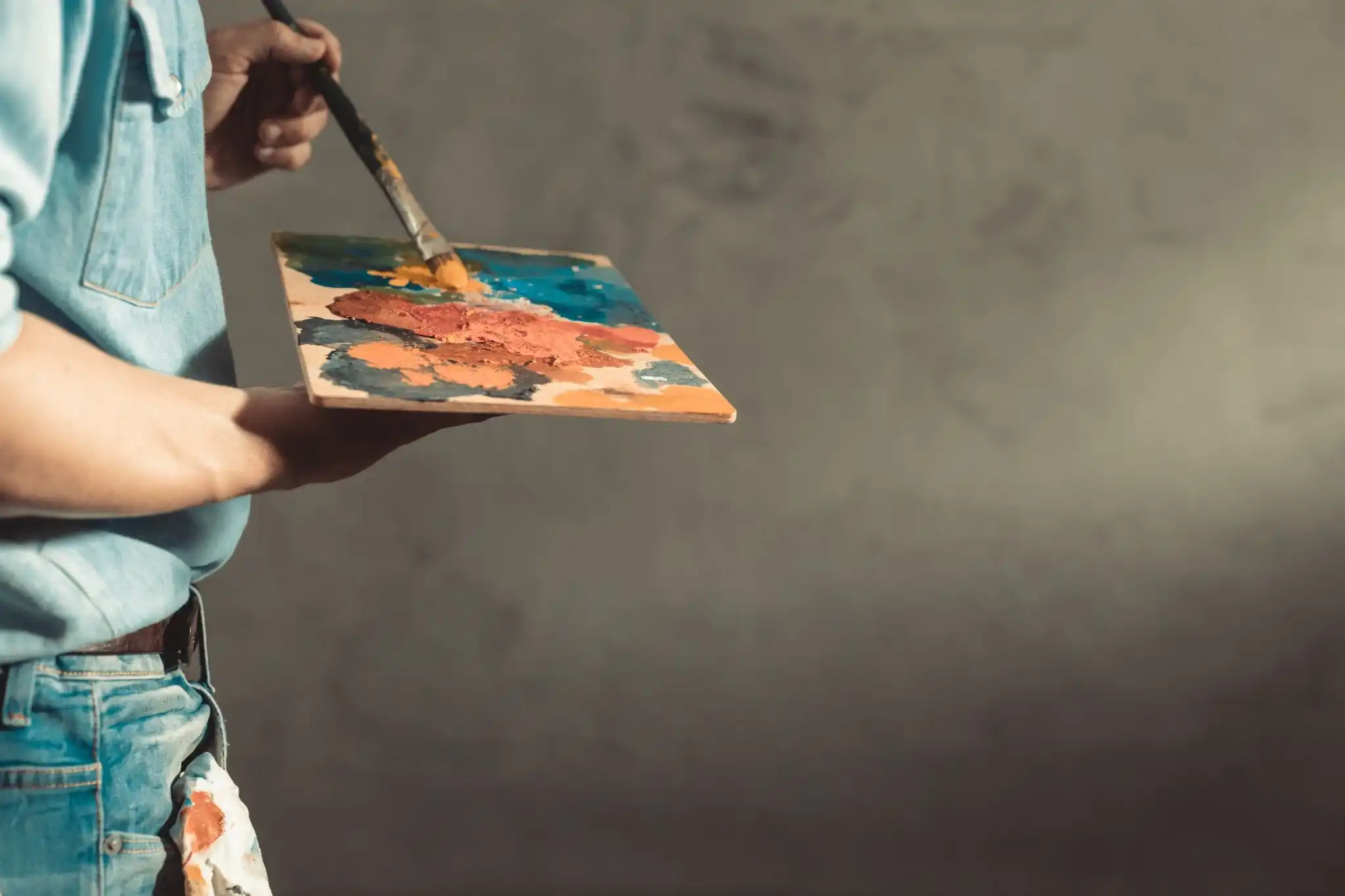
Classical painting techniques include oil, watercolor, tempera, and fresco. Oil painting allows layering, glazing, and subtle tonal gradations. Watercolors require mastery of washes, transparency, and pigment control. Tempera, often used historically for panel paintings, demands precise layering with quick-drying pigments. Fresco, popular in Renaissance art, involves applying pigments to wet plaster, requiring speed, planning, and confidence. Each method teaches discipline and patience, instilling an understanding of pigment behavior, brushwork, and surface response. Artists mastering these techniques gain a foundation for both realistic and expressive styles.
Sculptural Techniques
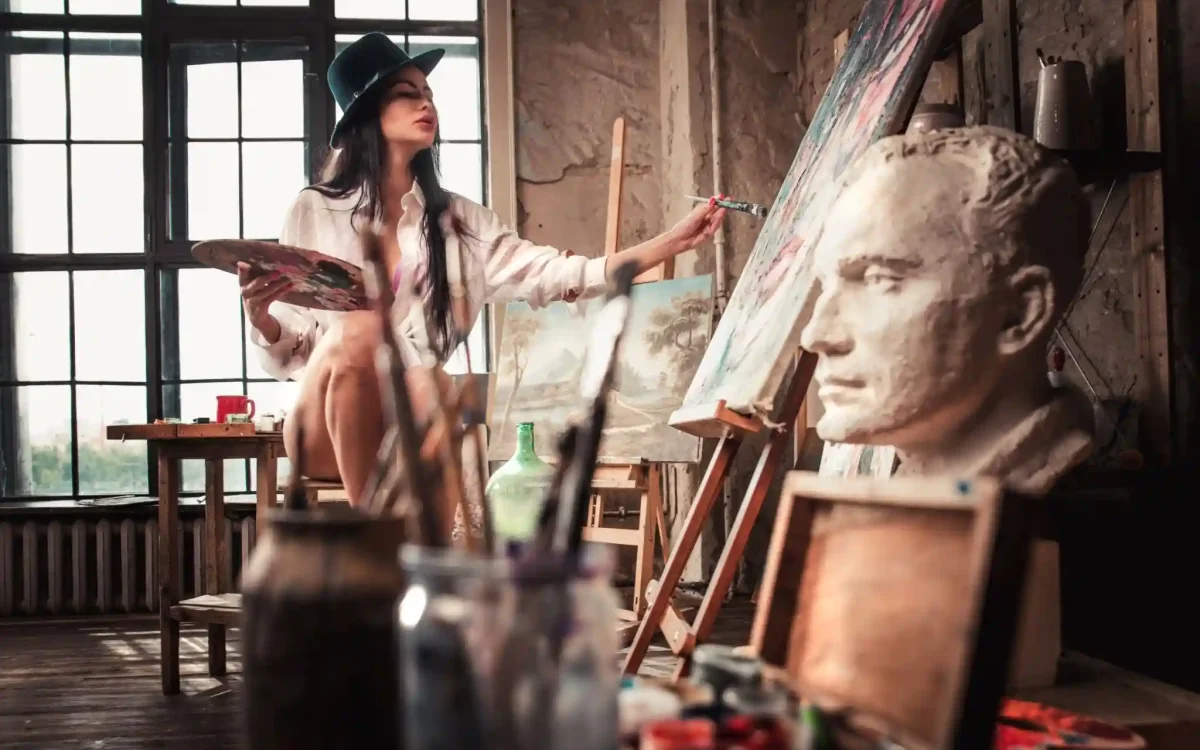
Sculpture introduces three-dimensional problem-solving. Carving and modeling in stone, wood, or clay teach spatial reasoning, anatomy, and structural integrity. Casting techniques, such as the lost-wax method, enable reproducibility while preserving fine details. Surface finishing, including sanding, polishing, and texturing, adds depth and realism. Classical sculptural practices emphasize observation, patience, and planning. Sculptors learn to balance form, mass, and negative space, developing a tactile understanding of art that informs other practices like painting and installation work.
Printmaking and Reproduction Techniques
Traditional Printmaking
Printmaking allows artists to produce multiple works from a single matrix. Etching, engraving, and woodcut rely on carving, inking, and pressure control. Successful prints require precision and an understanding of how ink interacts with surfaces. Editioning ensures consistency across prints, while signatures validate authenticity. Traditional printmaking teaches careful planning, problem-solving, and meticulous attention to detail, enhancing artistic discipline.
Contemporary Printmaking Approaches
Modern printmaking incorporates lithography, screen printing, and digital techniques. Artists experiment with textures, layering, and mixed media to create dynamic effects. Digital printing allows precise color control and manipulation while retaining the creative process of layering and composition. Contemporary printmaking encourages experimentation, merging traditional methods with technological innovation, expanding the boundaries of reproducible art.
Modern and Contemporary Fine Art Techniques
Abstract and Experimental Methods
Abstract and experimental techniques embrace unconventional tools, surfaces, and materials. Artists may use palette knives, sponges, or found objects to create textures and patterns. Impasto techniques add depth and tactile quality, while chance and spontaneity introduce unpredictability into the creative process. These approaches emphasize expression over representation, allowing personal style and emotion to guide the artwork. Experimentation challenges traditional boundaries and encourages risk-taking, vital for creative growth.
Multimedia and Digital Art
Digital tools provide new avenues for artistic exploration. Digital painting software, tablets, and styluses mimic traditional media while enabling flexibility and undo functions. Photo manipulation, digital collage, and 3D modeling expand creative possibilities. Interactive and animated elements introduce movement and viewer engagement. Multimedia art integrates physical and digital components, blending textures, projections, and layered media. These methods require both technical skills and aesthetic judgment, challenging artists to rethink composition, light, and texture in novel ways.
Color Theory and Application Techniques
Color defines mood, depth, and impact. Artists must understand primary, secondary, and tertiary relationships, as well as complementary, analogous, and monochromatic schemes. Blending, glazing, and layering techniques create depth and luminosity, while careful palette choices influence emotional response. Color experimentation allows artists to convey narrative, guide the viewer’s eye, and create harmony or contrast. Understanding color psychology strengthens both traditional and contemporary artworks, enhancing expressive potential.
Surface and Texture Exploration
Surface and texture affect perception and engagement. Techniques like impasto, sgraffito, and palette knife work manipulate paint thickness and pattern. Smooth surfaces may emphasize clarity, while rough textures add drama or realism. Mixed materials, including fabric, paper, or found objects, create tactile and visual complexity. Effective use of texture can differentiate styles, highlight focal points, or add emotional resonance. Artists learn to control and integrate textures to reinforce compositional intent.
Composition and Perspective Strategies
Classical Composition Principles
Classical composition relies on balance, symmetry, and proportion. The rule of thirds, the golden ratio, and leading lines guide the viewer’s eye. Foreground, middle ground, and background are carefully arranged to create spatial depth. Classical techniques prioritize harmony and visual stability, essential for realistic, narrative, or portrait work.
Modern Composition Experimentation
Modern art often challenges traditional composition rules. Asymmetry, abstraction, and multiple viewpoints create dynamic visual experiences. Layering perspectives or combining styles disrupts predictability, encouraging viewers to engage actively. These strategies foster originality and adaptability, enabling artists to break from convention while retaining effective visual communication.
Advanced Techniques for Mastery
Mastery involves blending multiple techniques. Combining mediums, layering paints, and glazing create rich depth and luminosity. Skilled light manipulation enhances three-dimensionality and realism. Shadow rendering emphasizes form and drama. Technical experimentation develops a personal style, encouraging artists to innovate while building on foundational skills. Advanced techniques demand patience, observation, and deliberate practice. They challenge artists to refine both concept and execution, bridging skill and expression.
Preserving and Finishing Fine Art Works
Proper finishing ensures longevity and presentation. Varnishing protects paint layers, while framing and mounting provide structural support and aesthetic enhancement. Understanding the properties of paper, canvas, or other surfaces prevents deterioration. Archival practices, including acid-free materials and controlled storage, preserve artworks for future generations. Restoring older works requires specialized knowledge, balancing conservation with artistic integrity. Preservation is as much a part of mastery as creation, ensuring that techniques endure over time.
Learning and Practicing Fine Art Techniques
Skill growth requires structured learning. Copying classical masters helps internalize technique and composition principles. Workshops, mentorships, and courses provide guidance, critique, and exposure to diverse approaches. Experimentation in sketchbooks or journals encourages risk-taking and creativity. Self-analysis and reflection on progress refine execution and understanding. Regular practice, combined with study and observation, ensures continual improvement and deep mastery of techniques across media.
Conclusion
Fine art is an evolving practice where tradition and innovation intersect. Classical methods provide the technical foundation, while modern approaches expand expressive and experimental possibilities. Mastering a range of techniques supports personal expression, professional growth, and creative confidence. Continuous practice, critical analysis, and openness to experimentation allow artists to refine skills, discover unique styles, and push boundaries. Embracing both historical knowledge and contemporary exploration ensures that every piece communicates intention, mastery, and artistic vision.
Related posts