

What is the Rule of Thirds in Photography Composition?
Photography trends change, cameras evolve, and editing tools become more advanced every year, yet the rule of thirds remains one of the most trusted composition principles in modern photography because it creates structure without rigidity and balance without stiffness. Beginners are taught this principle first because it is simple, visual, and immediately effective; by turning on a grid overlay and positioning a subject along a line or intersection point, an image instantly feels more intentional and professional. However, the rule of thirds is not just a beginner’s shortcut but a strategic framework used by experienced photographers to guide visual flow, create subtle tension, and strengthen storytelling. In this article, you will learn how the rule works, why it influences perception, how to apply it across genres, and when breaking it can elevate your creative control.
The Foundation of the Rule of Thirds Explained
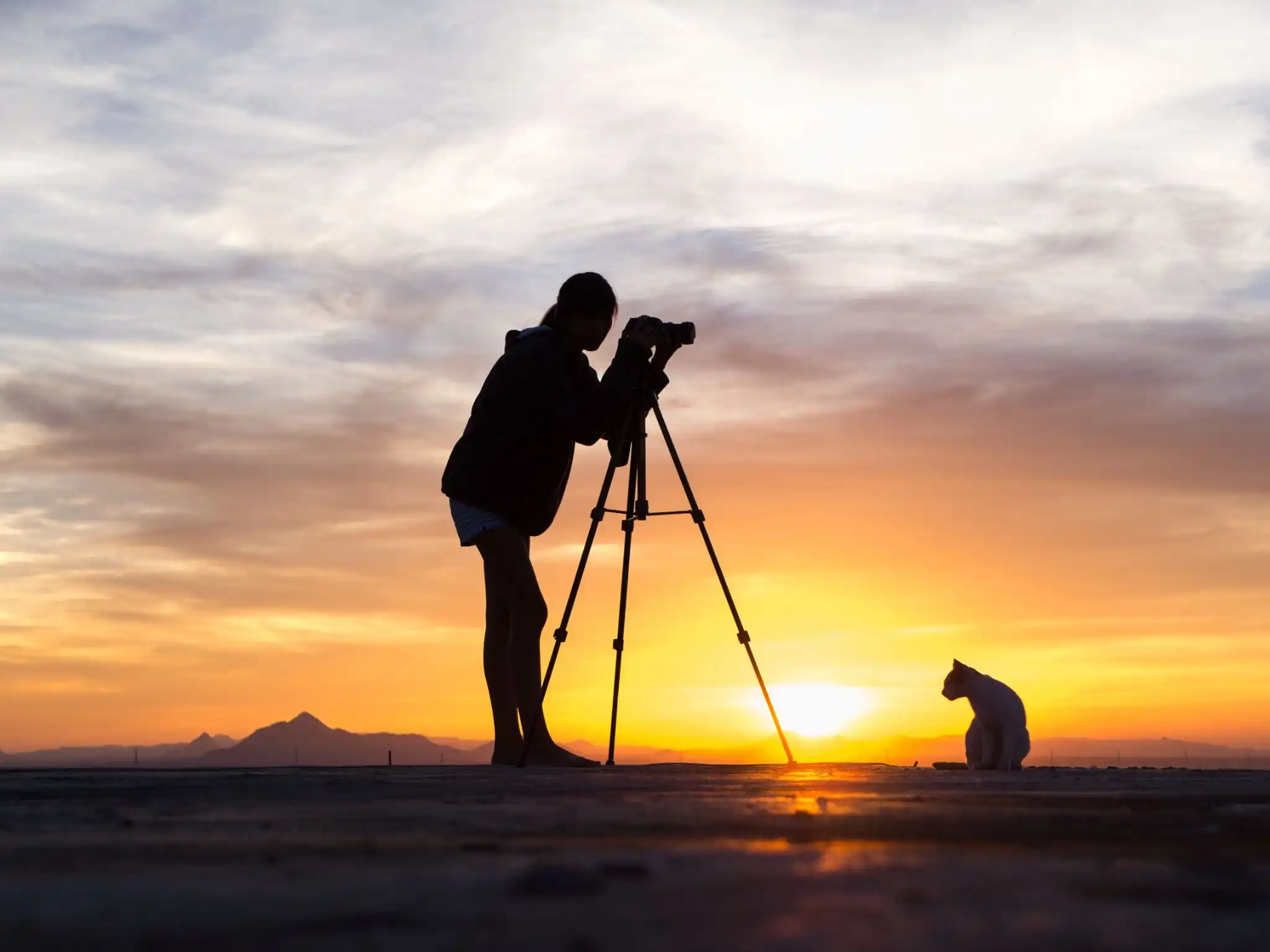
The rule of thirds divides the frame into nine equal sections using two horizontal and two vertical lines, creating four intersection points that naturally draw attention. Instead of placing a subject directly in the center, positioning it along a vertical line or at an intersection introduces dynamic balance and encourages the viewer’s eye to move across the frame rather than stopping abruptly in the middle. This off-center placement feels natural because human perception favors slight asymmetry, which creates visual interest without chaos. The structure also establishes hierarchy by separating focal points from supporting elements, reducing clutter and improving clarity. When viewers instantly understand what matters in an image, the composition feels confident and purposeful.
Historical Context and Artistic Origins
The rule of thirds has roots in classical art traditions where painters carefully arranged subjects to guide the viewer’s eye across a canvas, long before photography existed. Renaissance artists explored proportional balance and visual harmony, laying the groundwork for compositional systems that later influenced photography. Although often compared to the golden ratio, the rule of thirds is simpler and more practical for fast decision-making behind the camera. As photography developed, educators embraced the rule because it provided a clear and teachable structure that consistently improved results. Over time, it became a foundational principle not because it was restrictive, but because it offered artists a reliable starting point for visual organization.
How to Apply the Rule of Thirds in Real Situations
Placing the Main Subject
When composing an image, begin by identifying the primary subject and aligning it with a vertical third line or placing it precisely at an intersection point to create stronger emphasis. Choosing the left or right side should depend on direction and context; if a person is looking toward one side of the frame, leaving space in front of their gaze creates breathing room and narrative depth. Vertical placement also influences mood, as positioning a subject higher can convey authority or confidence, while placing it lower can evoke reflection or grounding. Small adjustments in placement significantly alter emotional impact, making intentional positioning essential.
Horizon Line Placement
In landscape photography, horizon placement is one of the most common compositional decisions, and placing it along the upper or lower third line prevents the frame from feeling split in half. When the sky is dramatic and textured, positioning the horizon along the lower third emphasizes atmosphere, whereas placing it along the upper third highlights foreground details and depth. Centered horizons can work in symmetrical reflections, but they must be deliberate rather than accidental. Strategic placement transforms flat scenery into structured visual storytelling.
Moving Subjects and Directional Space
For action and movement, the rule of thirds becomes especially powerful because leaving space in front of a moving subject creates anticipation and flow. This directional space, often called lead room, gives viewers a sense of progression and momentum. Negative space within one third of the frame can add isolation, scale, or tension depending on context. By combining movement with intentional placement, photographers create images that feel alive rather than static.
Using the Rule of Thirds Across Photography Genres
Portrait Photography
In portraits, the eyes are typically the strongest focal point, and placing them along the upper third line creates a natural and engaging viewing experience. Balanced headroom and thoughtful background placement prevent distractions and maintain harmony. Environmental portraits benefit from positioning the subject on one side while allowing contextual elements to occupy the remaining space, reinforcing narrative depth. This approach strengthens both composition and storytelling.
Landscape Photography
Landscapes often include multiple layers, and using the rule of thirds helps organize foreground, midground, and background effectively. Placing textured elements such as rocks or plants along the lower third anchors the image, while positioning mountains or dramatic skies along upper thirds creates balance. Leading lines that flow toward intersection points add direction and depth. Combining these elements enhances visual impact without overwhelming the viewer.
Street and Documentary Photography
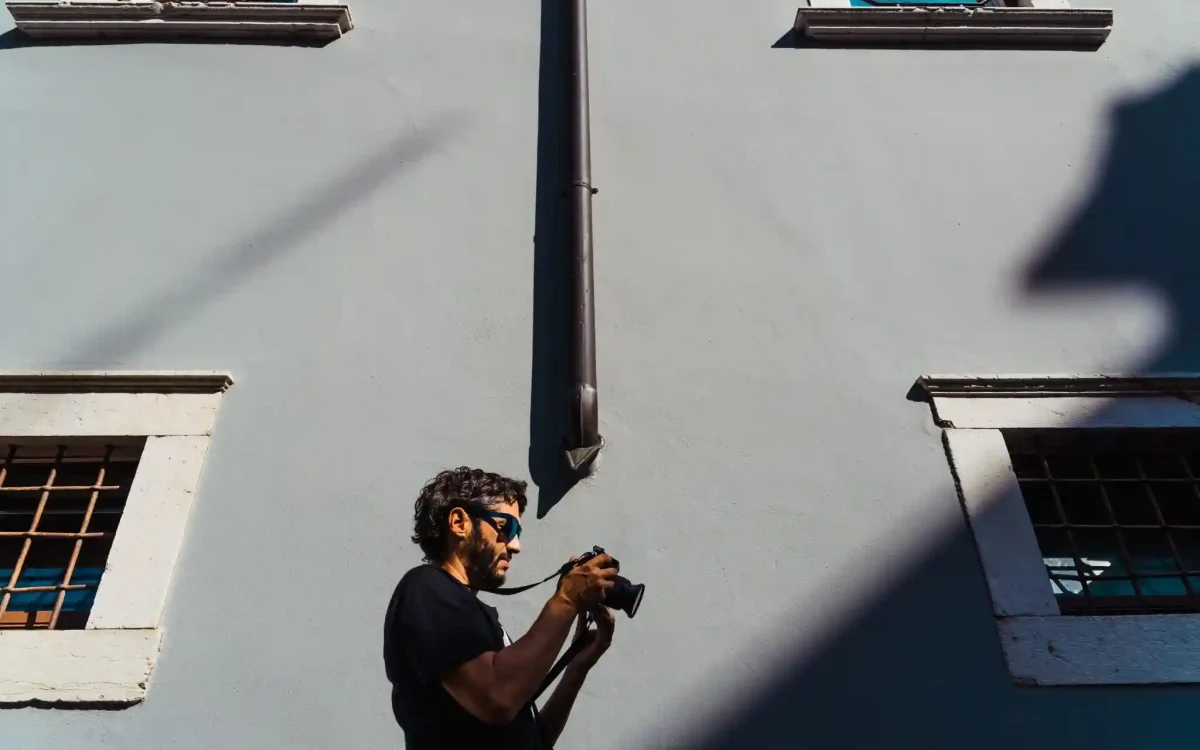
Street photography requires quick decision-making, and training your eye to recognize thirds instinctively improves compositional clarity in fast-paced environments. Positioning subjects near intersection points while allowing surrounding elements to balance the frame prevents chaos and strengthens storytelling. Even in dynamic scenes with multiple people, thirds help establish visual hierarchy and maintain focus.
Enhancing Impact with Light and Color
Composition extends beyond placement into the strategic use of light and color, both of which can reinforce the rule of thirds. Bright highlights positioned near intersection points naturally attract attention and strengthen focal areas. High contrast between subject and background further emphasizes placement, while deliberate color blocking across compositional zones creates harmony. Shadows can also frame or anchor subjects within specific thirds, adding depth and dimension. When structure, light, and color align, the image feels cohesive and intentional.
When the Rule of Thirds Doesn’t Work
Although powerful, the rule of thirds is not universal, and some scenes demand alternative approaches. Symmetrical architecture often benefits from centered composition that highlights balance and order. Minimalist photography may rely on central placement to emphasize isolation or intensity. High-drama portraits can use central framing to create confrontation and immediacy. Recognizing when a rule limits creative expression is just as important as knowing when to apply it.
Advanced Variations and Creative Extensions
Once comfortable with basic placement, photographers can integrate the rule of thirds with additional compositional tools such as leading lines, diagonal structures, and triangular framing. Diagonals add energy, while layering multiple compositional strategies increases depth and complexity. Cinematic framing frequently positions subjects along vertical thirds to maintain visual tension within widescreen formats. In post-processing, subtle cropping adjustments can refine alignment and enhance impact. Advanced composition involves combining structure with intention rather than relying on a single guideline.
Common Mistakes Photographers Make
One frequent mistake is treating the rule of thirds as mandatory rather than flexible, leading to predictable and formulaic images. Misplacing a subject slightly off a line without clear intention can create awkward tension rather than balance. Ignoring distracting backgrounds weakens even well-aligned compositions. Overcomplicating a scene by forcing multiple elements into different thirds can reduce clarity. The rule works best when it simplifies rather than complicates visual storytelling.
Practical Exercises to Master the Rule of Thirds
Improvement comes through deliberate repetition, such as photographing the same subject positioned at each intersection point and comparing emotional differences. Shooting identical scenes with centered and off-centered compositions builds awareness of visual impact. Practicing with the grid turned on strengthens understanding, while later turning it off develops instinct. Reviewing and critiquing your own work encourages strategic thinking and refinement.
Tools and Technology That Support Composition
Most modern cameras and smartphones offer grid overlays that assist in learning placement quickly and accurately. Editing software provides cropping tools that allow fine adjustments to strengthen alignment after capture. These technologies accelerate learning but should not replace observational skill. Over time, reliance on digital guides should decrease as compositional instinct improves.
Developing Compositional Instinct Beyond the Grid
True mastery of the rule of thirds occurs when the grid becomes invisible yet mentally present. Studying accomplished photographers and analyzing their subject placement sharpens visual awareness. Observing everyday scenes and mentally dividing them into thirds strengthens intuition. As confidence grows, photographers can break the rule deliberately to serve creative intent rather than habit. Structure builds control, and control unlocks freedom.
Conclusion
The rule of thirds is not a rigid law but a foundational framework that strengthens visual literacy and compositional confidence. It organizes space, establishes hierarchy, and guides the viewer’s eye with subtlety and intention. By practicing consistently and analyzing results critically, photographers develop both technical precision and creative flexibility. Master the rule thoroughly, apply it strategically, and break it boldly when the story demands a different approach, because true artistry lies not in following guidelines blindly but in using them with purpose.
Related posts